All Courses
Self-harm in teenagers: The spectrum from non-suicidal self-injury to suicidality
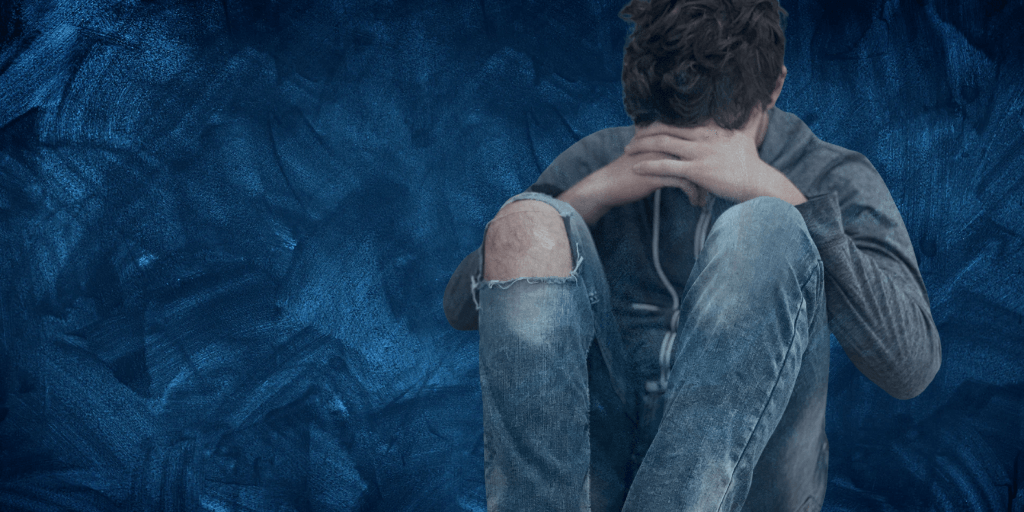
Explore self-harm and suicide in adolescents to strengthen recognition, identify red flags, and support effective clinical response.
As cited by research from The Hospital for Sick Children, there has been a sharp increase in emergency department visits for attempted suicide and suicide ideation among children and adolescents. This course is designed to support professionals in understanding, assessing, and responding to this growing clinical need.
In this live webinar, child psychiatrist Dr. Marshall Korenblum explores the spectrum of self-harming behaviours in teenagers—from non-suicidal self-injury (NSSI) to suicidality. Drawing on evidence and clinical experience, this training supports professionals in building confidence when working with these complex and urgent presentations.
Together, these sessions provide a structured, clinically grounded exploration of:
- the function and drivers of nonsuicidal self-injury (NSSI)
- the relationship between NSSI and suicidal behaviour in adolescents
- key risk factors, warning signs, and red flags
- evidence-informed approaches to assessment and intervention
This course is delivered as two separate webinar sessions offered on different dates. Participants may register for either session individually or attend both sessions to gain a more comprehensive clinical understanding of the continuum from nonsuicidal self-injury to suicidal behaviour in adolescents.
Session overview
Session 1: December 1, 2026 | 9:30 a.m. to 12:30 p.m. ET | CE hours: 3
Non-suicidal self-harm in teenagers: The role of emotion regulation in understanding and treating this urgent problem

This session focuses on understanding the function, prevalence, and underlying mechanisms of nonsuicidal self-injury, including emotion regulation, social media, and attachment.
Explore the dramatic rise in self-injurious behaviour among teens. Learn how emotional dysregulation, insecure attachment, and social media contribute to this complex issue. This session defines non-suicidal self-injury disorder (NSSID), outlines its prevalence and causes, and reviews treatment approaches to support clinicians working on the front lines of youth mental health.
Session 2: December 8, 2026 | 9:30 a.m. to 12:30 p.m. ET | 3 CE hours
Suicide in teenagers: Signs, symptoms and risk factors

This session focuses on identifying risk factors, recognizing warning signs, and understanding intervention and prevention approaches for suicidal behaviour in adolescents.
Gain a deeper understanding of how suicidal thoughts and behaviours present in adolescents. This session highlights critical warning signs, differentiates between clinical depression and typical adolescent sadness, and explores intervention strategies. The role of social and digital media, mental illness, and protective factors is also examined.
Whether you attend one or both sessions, you’ll gain critical insights into self-harm and suicide in adolescents. This includes root causes, clinical signs, and therapeutic approaches. Reserve your spot today.
Prefer to learn on your own schedule? This training is also available on demand, featuring the same core content as the live webinar sessions. Choose the learning format that best suits your schedule and professional development needs.
Take your learning further: Join Dr. Korenblum for a follow-up Lunch and Learn Q&A – Applying insights from self-harm in teenagers
Participants from either session will be invited to register for a live, interactive follow-up Lunch and Learn Q&A with Dr. Marshall Korenblum on January 21, 2027, from 12 p.m. to 1:30 p.m. ET.
This 90-minute session offers an opportunity to revisit key concepts from the training, reflect on their application in clinical practice and explore questions or challenges that may have arisen when working with adolescents who self-harm. Through an interactive discussion shaped by participant questions, Dr. Korenblum will offer additional clinical insights to help deepen understanding and strengthen confidence in applying what you’ve learned. Additional details will be shared with training participants. Please note: This Lunch and Learn Q&A is a separate, fee-based webinar intended for professionals who have completed either of the Self-harm in teenagers sessions.
Live webinar series
December 1 and 8, 2026 | 9:30 a.m. to 12:30 p.m. ET
Marshall Korenblum, MD, FRCP(C).